10 Warning Signs of Type 1 Diabetes in Children

Recently, the Neonatal Intensive Care Unit at Hai Phong International Obstetrics and Pediatrics Hospital successfully received and treated a case of a child with type 1 diabetes who was suffering from severe ketoacidosis. This is a chronic disease that can occur at any age in children and causes many health issues affecting their well-being.
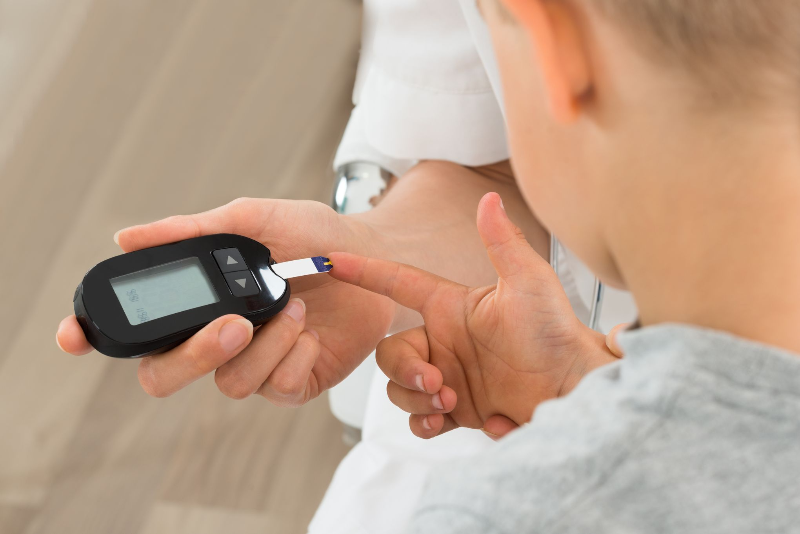
To minimize the risk of diabetes and provide early intervention for children, parents can pay attention to warning signs related to changes in blood sugar levels.
 1. Frequent urination
When blood sugar levels are high, the kidneys try to restore balance by excreting excess sugar through urine (glucosuria), causing the body to eliminate a large amount of water, leading to the need for frequent urination. For diapered children, parents may notice that the diaper is wetter than usual.
2. Extreme thirst
Children with type 1 diabetes have a high need to urinate, leading to increased dehydration. Frequent urination in children causes fluid imbalance and dehydration, so even if the child drinks a large amount of water or other fluids, they still feel extremely thirsty that is hard to quench.
3. Increased appetite with weight loss
Without enough insulin, the body’s tissues fall into a state of energy deficiency, which increases appetite and a constant feeling of hunger. Children may eat average or larger portions than usual but still lose weight instead of gaining it.
4. Fatigue, lethargy
Signs of fatigue in young children include sleeping a lot, drowsiness, apathy, or lack of energy.
5. Sudden vision changes
Children will experience changes in vision, poor eyesight evenexcess blood sugar damages blood vessels, including those supplying blood to the retina of the eye.
6. Yeast Infection
High blood sugar levels create an ideal environment for Candida yeast to thrive in moist areas of the body. Frequent urination and wearing wet diapers for extended periods also put children at risk for diaper rash due to yeast infections.
7. Fruity Breath
When the body cannot effectively use sugar for energy, it forces parts of the body to burn fat for energy. When fat is broken down, a byproduct called ketone is produced. Ketones interfere with the body’s pH balance (the balance of acid and alkaline), leading to metabolic acidosis, which causes the body to have a fruity breath.
8. Unusual Behavior
Children may become disoriented, lethargic, or exhibit increased irritability, depression, restlessness, crying, and agitation.
9. Poor Wound Healing
Children with type 1 diabetes have a slower healing rate, and injuries from bumps and bruises take longer to recover.
10. Respiratory Issues
Metabolic acidosis disrupts the body’s natural pH balance becauseKetones can make the blood acidic (lower pH). To restore the pH to normal levels, the body responds by increasing the breathing rate, which helps raise the blood pH by increasing oxygen concentration, but this reduces carbon dioxide levels. As a result, the child has to breathe laboriously and rapidly.
Experts recommend that when abnormal signs are detected, parents should immediately take the child to specialized hospitals for examination and treatment by a doctor, avoiding complacency and overlooking symptoms that could lead to a prolonged illness, worsening over time and posing a danger to the child.
Leave a reply