Inside Pediatrics – Episode 4: The Bearer and the Protector
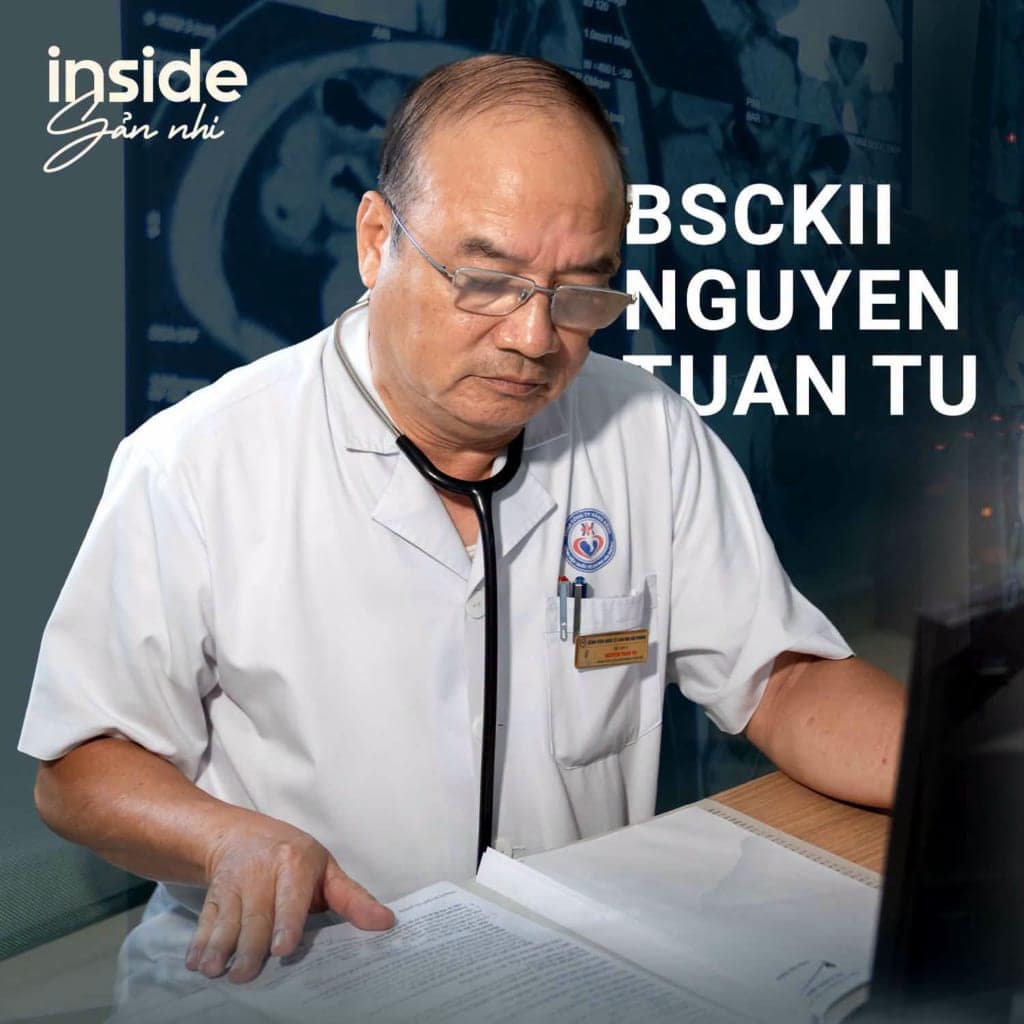
There are hands that bear the responsibility of an entire community, yet are gentle enough to hold the tiny hand of a child.
That image opens the story of Dr. Nguyen Tuan Tu – the Chief of Pediatrics at Hai Phong International Obstetrics and Pediatrics Hospital, who carries the heavy responsibility of managing the specialty while also directly examining and treating patients.
-
- Người thầy thuốc hết lòng vì người bệnh
-

- Luôn tận tâm với bệnh nhân
Having been closely associated with the formation and development journey of Hai Phong International Obstetrics and Pediatrics Hospital, he contributes alongside the team to build a professional foundation, nurture the quality of care, and maintain the trust of patients. A hospital that has matured through many stages, but behind every step of development is always the effort of those who are persistent in their responsibilities. For Dr. Nguyen Tuan Tu, that journey is also intertwined with the daily work of examining and treating patients, with children in need of care and families seeking reassurance.
Balancing two responsibilities means carrying two layers of responsibility in the same workday. In the position of Chief Medical Officer of the Pediatrics Department, you must look beyond a single case, consider the capabilities of the team, the coordination in care, and the professional quality of the entire department. Every decision needs to be weighed in relation to many people, many tasks, and many young patients. This responsibility requires steadiness, as what is entrusted to the manager is the ability to lead the team in effectively performing the work of healing and caring for others.
But at the bedside, all attention returns to the children. Where is the discomfort, what do those symptoms indicate, what additional information needs to be considered to have an appropriate response? In pediatrics, there are things that children cannot express in words. The doctor must investigate through examination, through the progression of the illness, through the parents’ accounts; patiently piecing together that information to understand what is happening to the child. Behind each file is a child that needs careful care, a family waiting for answers.
-
- Yêu thương các bé như gia đình
-
- Tận tâm với chuyên môn
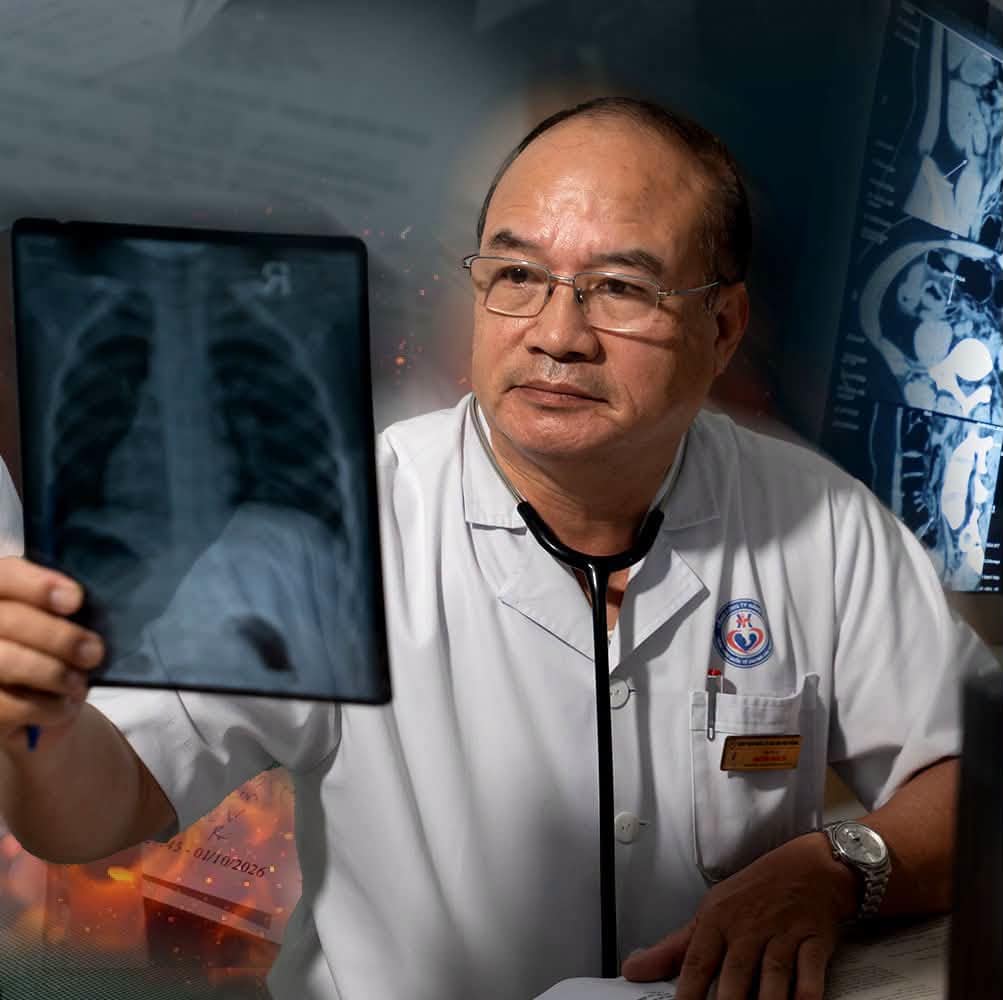
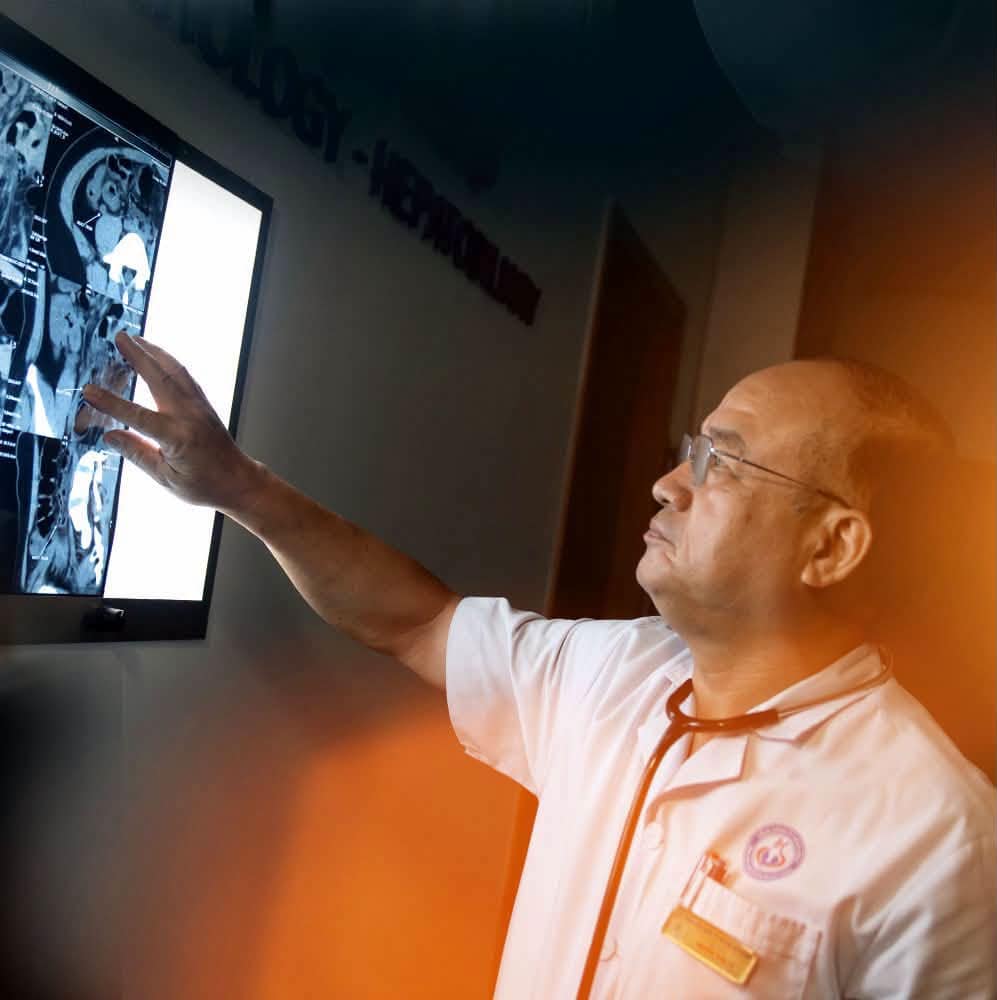
Managing while directly examining and treating patients also means keeping those two tasks connected. The experiences encountered during examinations help the manager better understand the needs of the patients, the concerns of the parents, and the demands placed on the team. From there, the responsibility for each patient is linked to the responsibility for building the overall quality of care. The work continues to expand, but the foundation remains very close: the health of the children and the trust of the families.
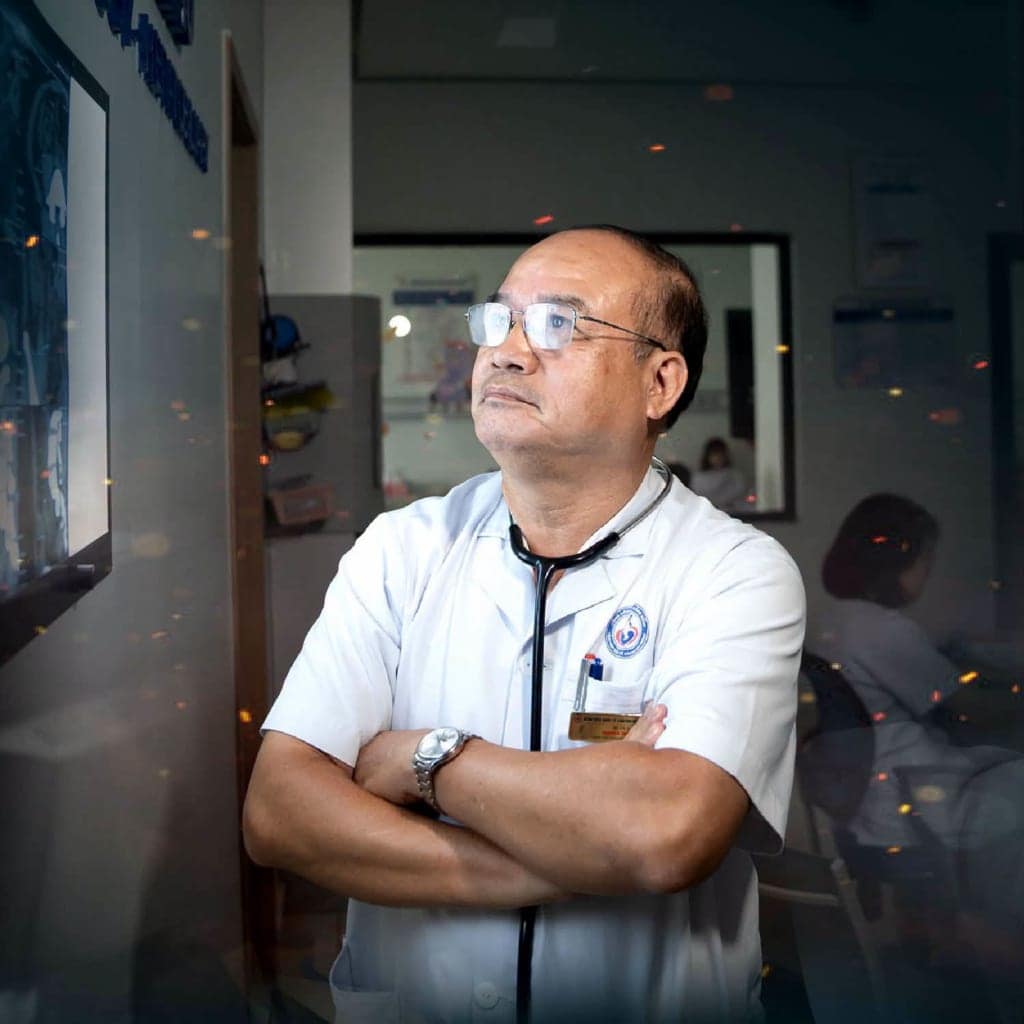
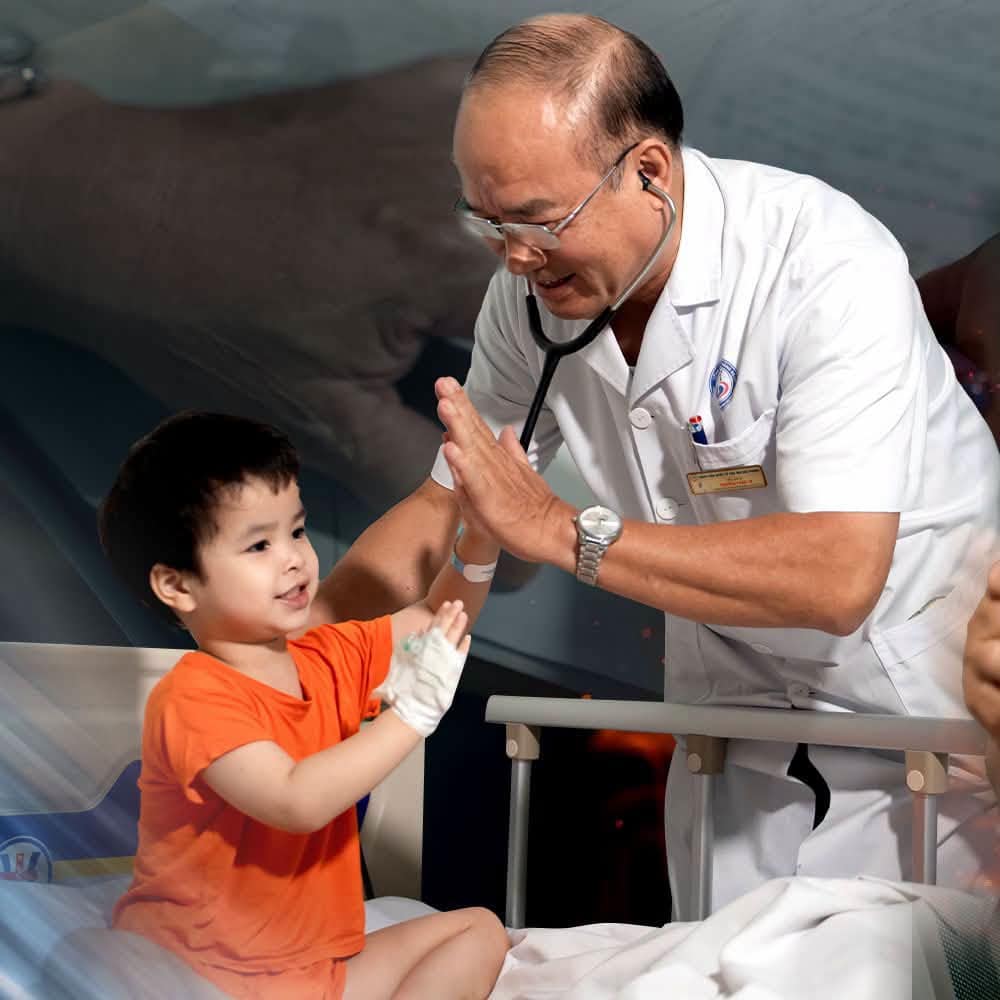
Looking at the doctor intently before the X-ray film, then seeing the smile the doctor gives to the baby, one can sense two seemingly different yet essential qualities in a pediatrician. The seriousness to not overlook important signs. The kindness to help the child feel less apprehensive during the examination. Professional competence needs to be demonstrated in clinical decisions; compassion must be present in the way the doctor approaches the patient. A bowing down to the child’s level, a hand raised in response, sometimes is the simplest way to begin that trust.
The medical profession places the physician before the responsibility to continue learning, continue thinking, and continue working with full concentration. When simultaneously taking on management and clinical duties, that requirement becomes even greater. Dedication is therefore accumulated in the rhythm of persistent labor: ensuring that the common work is completed, dedicating enough effort to the patient in front of them, and maintaining caution even with tasks that have become familiar. This is the endurance needed to accompany the profession through the years.
In the journey of Hai Phong International Obstetrics and Pediatrics Hospital, Dr. Nguyen Tuan Tu’s commitment is continued through these very tasks. Together with the team, he shares the responsibility of professional development, then returns to the role of a physician directly caring for children. Both responsibilities demand time, intellect, and effort; all directed towards the desire for these children to receive better treatment and care.
That hand is still bearing great responsibilities. And when the child raises their hand, that hand gently receives it.
Perhaps, that is also the beautiful image of a lifetime in the profession: strong enough to bear the load, dedicated enough so that every child in front of them is always cared for with all the responsibility of a physician.
