
Successful surgery for a 4-year-old patient with peritonitis due to a perforated Meckel’s diverticulum.
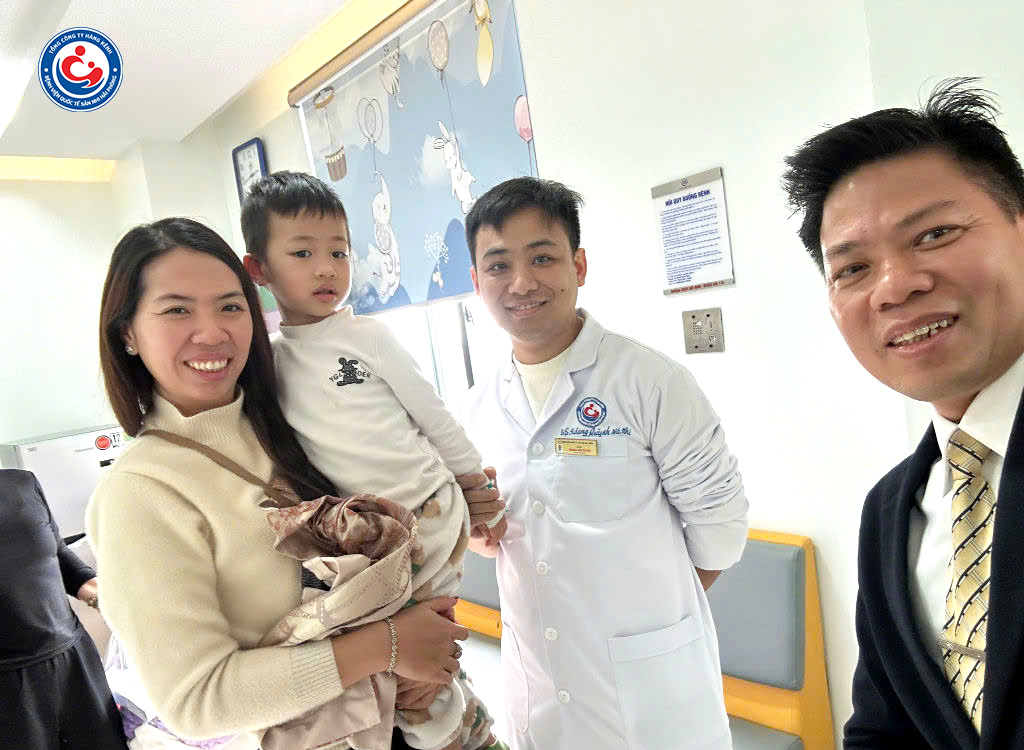
Patient Đặng H.M.H, 4 years old, was admitted to the emergency department at the Pediatric Surgery Department of Hải Phòng International Obstetrics and Pediatrics Hospital in a state of high fever accompanied by severe abdominal pain in the right iliac fossa.
Upon examination and testing, the doctor suspected the child had peritonitis and indicated an emergency laparoscopic surgery. During the surgery, the team found a normal appendix, and in the right iliac fossa near the cecum, there was an inflammatory mass wrapped by loops of the small intestine, with a lot of false membranes surrounding it. Upon separating the inflammatory mass, it was discovered that the child had a Meckel’s diverticulum, and notably, the tip of the Meckel’s diverticulum was spontaneously perforated.
Immediately, the child underwent surgery to resect a segment of the small intestine along with the Meckel’s diverticulum, intestinal anastomosis, appendectomy, and thorough cleaning of the abdominal cavity via laparoscopic surgery.
Postoperatively, the patient recovered well, was able to walk after 12 hours, and resumed normal activities from the second day after surgery.
-
- Gia đình bệnh nhi vui mừng khi bé được xuất viện
-

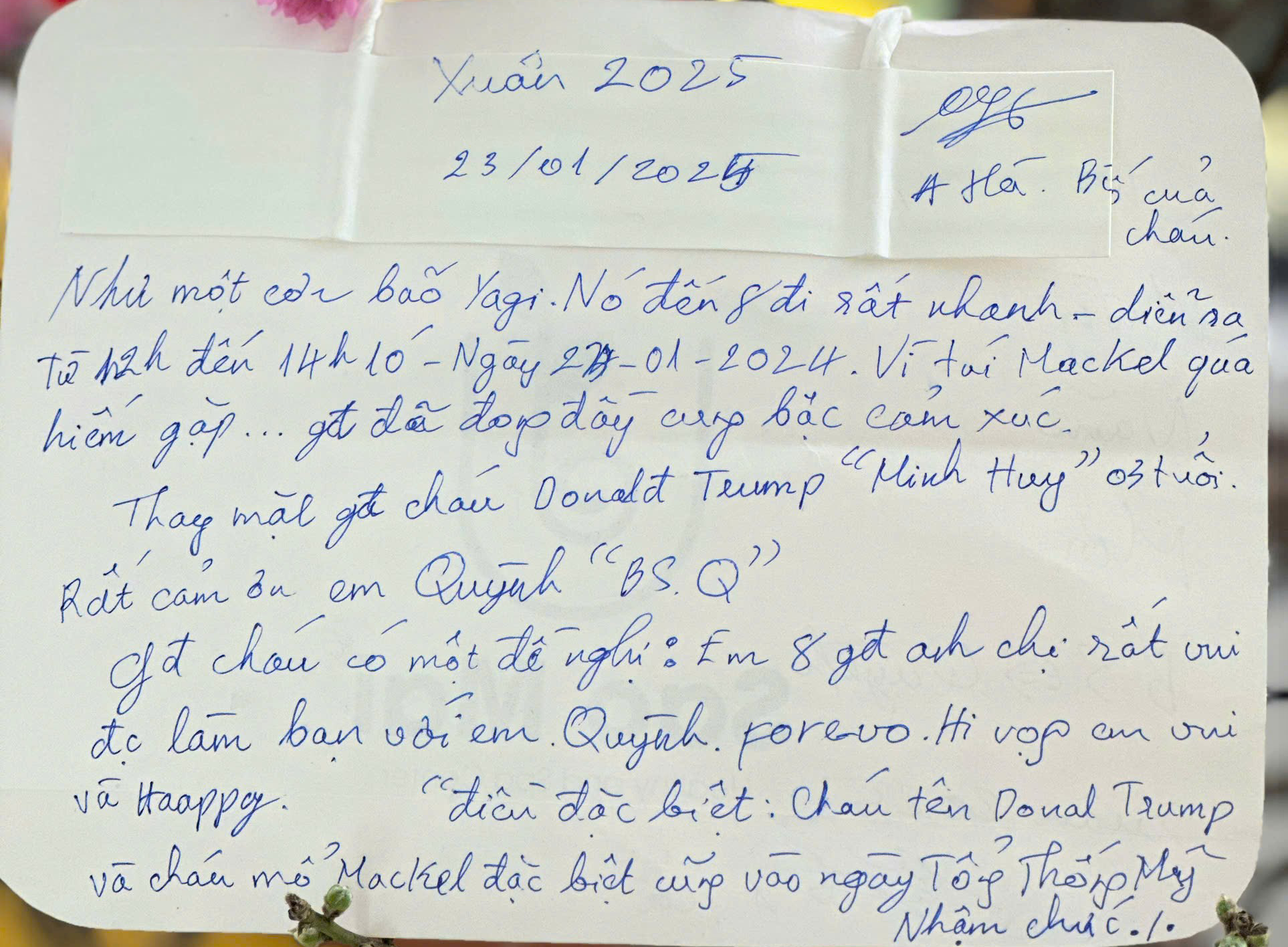
- Lá thư cảm ơn xúc động của gia đình gửi y bác sĩ Bệnh viện
Meckel’s diverticulum is a congenital abnormality of the gastrointestinal tract, a remnant of the yolk sac. Meckel’s diverticulum occurs in about 2% of the population. Most cases of Meckel’s diverticulum are asymptomatic. Some cases present symptoms, most commonly black stools, intestinal obstruction, bowel twisting, and intussusception. Some cases involve inflammation of Meckel’s diverticulum with symptoms similar to those of acute appendicitis, often only discovered during surgery. The case of this patient with peritonitis due to perforation of Meckel’s diverticulum is very rare.
Surgical methods for treating Meckel’s diverticulum are diverse, including open surgery or laparoscopic surgery, and the doctor will choose the appropriate surgical method based on the child’s age and health condition.
Since this is a congenital condition, there are no preventive measures. The condition may be discovered incidentally during routine health check-ups and treated when complications arise. Therefore, experts recommend that parents closely monitor their child’s health and take them for regular health check-ups to understand their health status, so that any abnormalities can be detected and timely interventions can be made, avoiding complacency that could lead to serious issues.
the condition worsens, affecting the child’s health.
