Warning about lobar pneumonia in children – Unpredictable dangerous complications

In recent months, Hai Phong International Obstetrics and Pediatrics Hospital has received a significant number of cases of lobar pneumonia and focal pneumonia. The number of lobar pneumonia patients has surged, with many patients experiencing severe lung damage. On average, the hospital admits 2-3 pediatric patients with lobar pneumonia requiring hospitalization each day, with some days seeing up to 6-7 patients. The patients are usually 5 years old and older, with the most common age being 8-9 years.
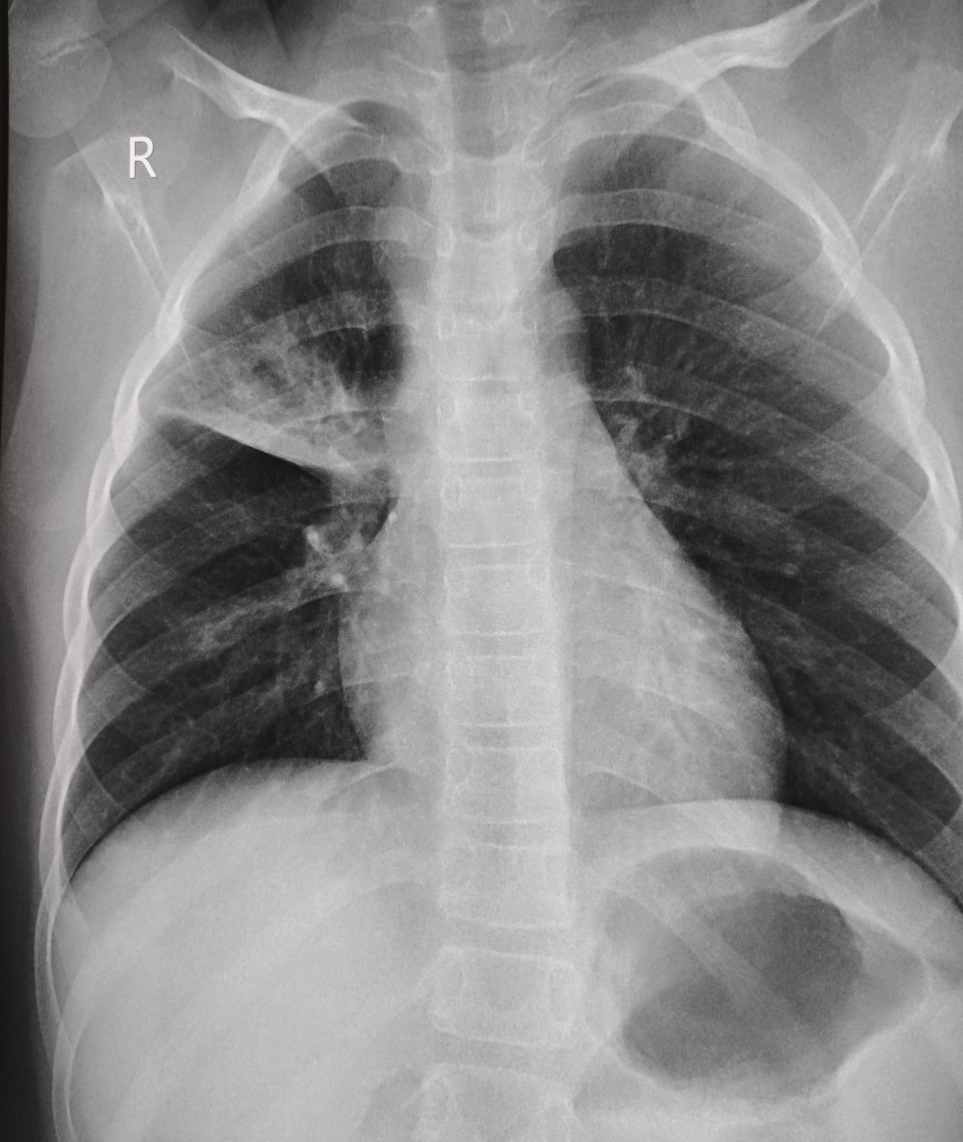
The characteristics of these children typically include a prolonged cough accompanied by high fever, having taken antibiotic prescriptions from private clinics without improvement, and only upon chest X-ray is lobar pneumonia diagnosed. Some patients are admitted with symptoms of continuous high fever, chills, and even some patients experiencing seizures due to high fever, persistent severe coughing, and significant lung damage: extensive inflammation in one lung or inflammation in 2-3 lobes of the lung (on chest CT scan). Many patients, when tested, are found to have an atypical bacterial cause – these are bacteria without cell walls, hence they do not respond to standard antibiotics.
The disease can lead to serious complications such as lung abscess, pleural effusion, and especially sepsis and meningitis if not treated promptly. However, lobar pneumonia, when detected early and treated aggressively, can be cured without leaving any sequelae.
Causes of lobar pneumonia include:
- Bacteria: the most common is pneumococcus, other types of bacteria such as streptococcus, staphylococcus, Haemophilus influenzae… In older children, atypical bacteria such as Mycoplasma pneumoniae, Legionella pneumoniae, Chlamydia pneumoniae are often encountered.
- Viruses: influenza, measles, whooping cough…
- Parasites
- Favorable factors for the disease: cold weather, seasonal changes, weakened body, immunocompromised individuals…
Symptoms of lobar pneumonia:
- High fever of 39 – 40 degrees accompanied by chills, fever poorly responsive to antipyretics.
- Chest pain: pain on the affected side, pain increases when the patient lies on the affected side.
- Cough: paroxysmal cough, productive cough, prolonged cough.
- Decreased breath sounds in the area of the lung affected by inflammation.
- X-ray or CT scan of the chest shows consolidation of one lobe of the lung.
Complications of lobar pneumonia:
- Widespread inflammation causing lung lobe collapse, abscesses, pleural effusion
- Purulent pleuritis is common in patients when bacteria are antibiotic-resistant (especially pneumococcus)
- Meningitis, endocarditis, peritonitis, septic arthritis ….
Lobar pneumonia, if treated early, progresses favorably, with temperature gradually decreasing, symptoms such as cough, fever, chest pain … significantly reducing and can recover quickly within about 10 – 14 days.
In contrast, if not treated promptly, fever will last 1-2 weeks, cough, shortness of breath, rapid pulse, low blood pressure, and may have dangerous complications such as heart failure, acute pulmonary edema.
Therefore, to prevent illness in children, parents need to pay attention to keeping the body warm, especially the neck and chest areas of the child, especially in the erratic summer weather, and to treat upper respiratory infections such as pharyngitis, adenoiditis, tonsillitis, bronchitis, otitis media … early and thoroughly. At the same time, parents should take their children to specialized medical facilities for regular health check-ups and early examinations to detect and treat promptly.
Leave a reply