
Abdominal pain led to a check-up, and a 14-year-old patient was unexpectedly diagnosed with congenital umbilical hernia.
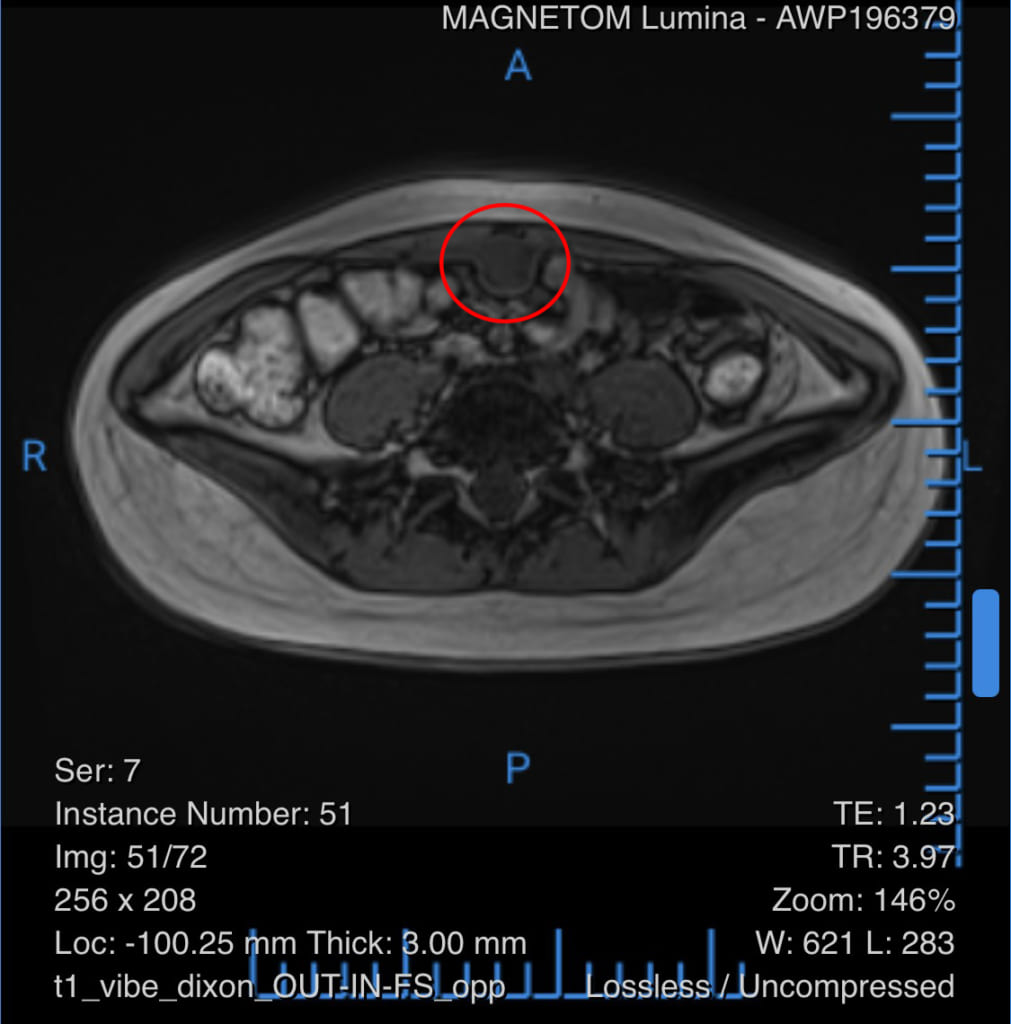
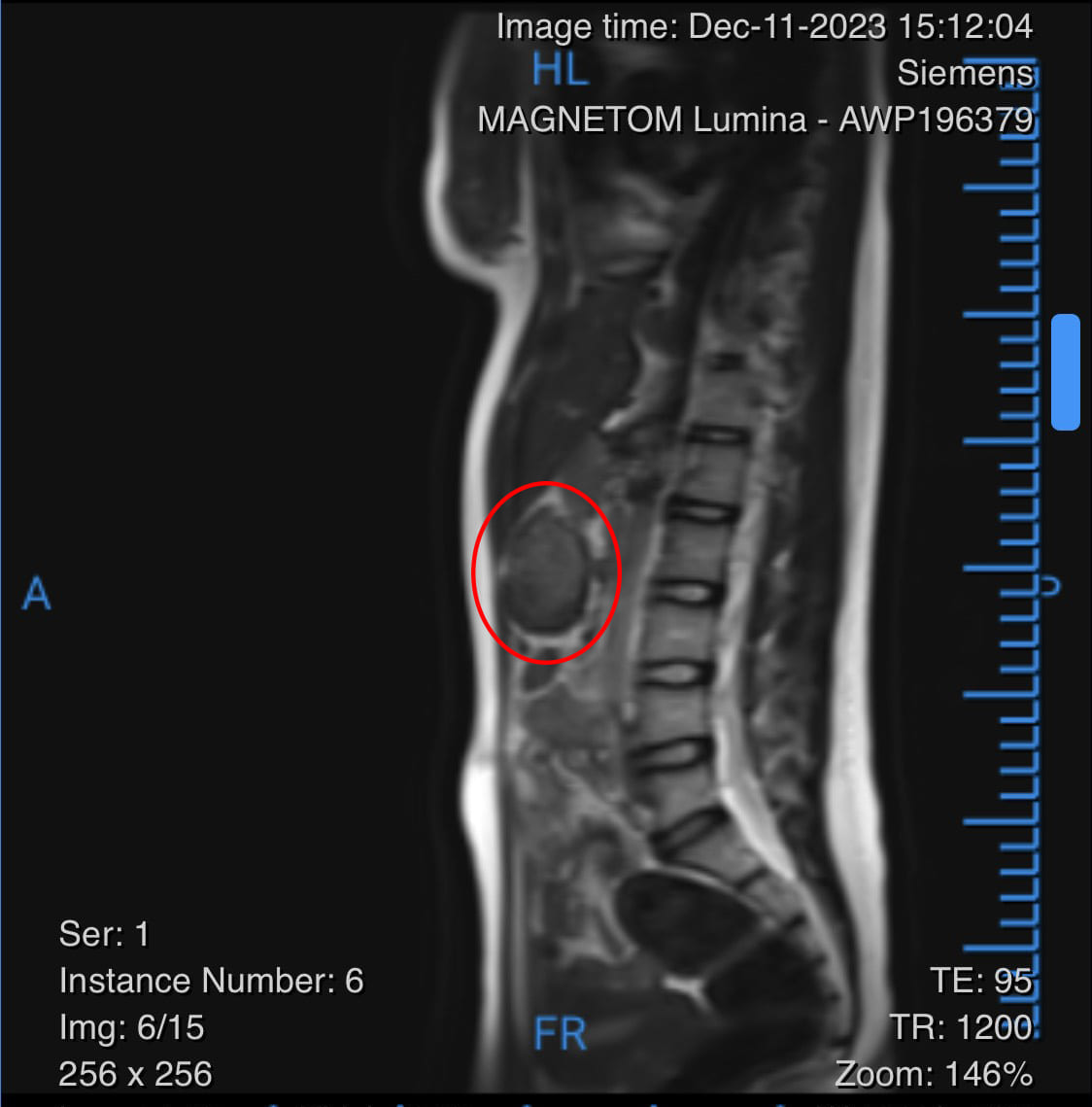
Recently, the International Pediatric Surgery Department successfully received and operated on a case of urachal cyst in a young child. The patient, P.N.H, a 14-year-old from Duong Kinh, Hai Phong, was brought to the hospital by family due to lower abdominal pain that had lasted for two days. Through examination and MRI imaging, the doctor discovered that the patient had a congenital urachal cyst, measuring 42x13mm on the machine.
-
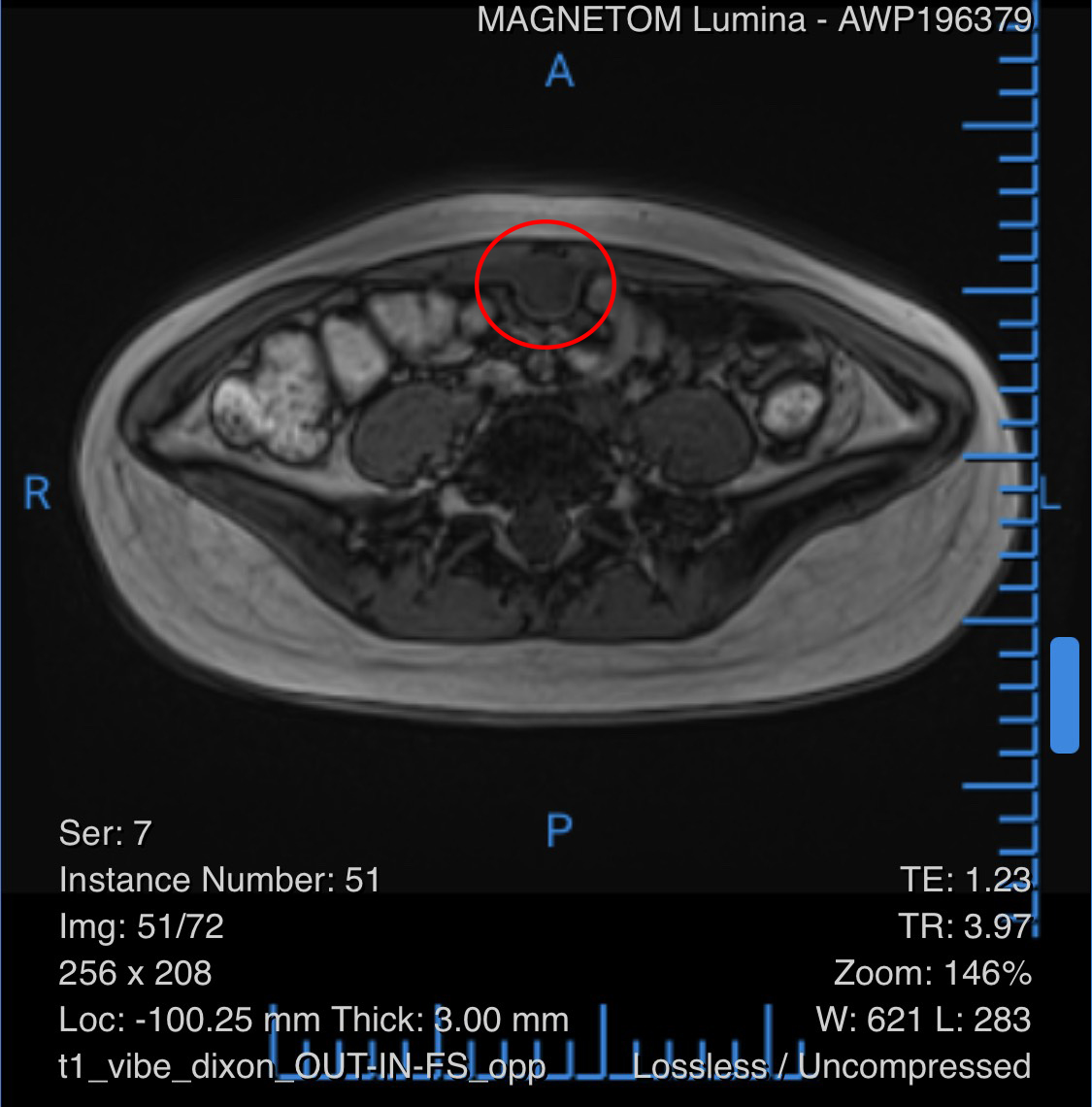
- Hình ảnh khối nang niệu rốn trên MRI
-

- Hình ảnh khối nang niệu rốn trên MRI
The surgery was performed immediately afterward by the Pediatric Surgery Department team along with the Anesthesia team. The surgical method applied was endoscopy. The advantage of this method is that it minimizes damage, allows for quick recovery, and has high aesthetic value compared to the traditional open surgery method, which causes pain, damages the abdominal wall, and leaves unsightly scars. Specifically, instead of making a 5-7cm midline incision, the team skillfully made 3 tiny incisions on the skin measuring 5mm around the cyst area, minimizing surgical scars for the patient. The surgery was completed successfully and safely. The cyst was completely removed, and the patient’s health indicators were stable.
Through the case of patient H, experts recommend that parents pay attention to unusual symptoms in children, especially symptoms related to pain around the navel, navel discharge of pus… and take the child to medical facilities with urology specialties for timely examination and treatment. With a modern system of equipment and a team of highly specialized and experienced doctors, the International Pediatric Center, Hai Phong International Obstetrics and Pediatrics Hospital can detect complex urinary diseases such as urachal cysts from an early stage, providing accurate diagnosis to ensure timely intervention for the patient, minimizing complications and adverse risks in the future.
